Roadmap
We are being developed as a unified intelligence layer for healthcare, where digital health infrastructure, clinical intelligence, multimodal AI, and agentic systems work together to reduce fragmentation, strengthen visibility, and support better decisions. Our roadmap is focused on building connected, clinically meaningful systems that leverage cutting-edge AI responsibly across care delivery, operations, and patient support.

Neural-Cortex System Architecture
Our strategic goal is to engineer a connected intelligence architecture in which each signal, workflow, and data point contributes to a wider system of contextual understanding.
Unified intelligence across digital health, clinical workflows, and operational systems
Interconnected AI components designed to share context and strengthen continuity
Architecture that supports agents, automation, multimodal reasoning, and real-time awareness
A long-term move toward a truly connected healthcare intelligence ecosystem
Agent-Based AI Systems
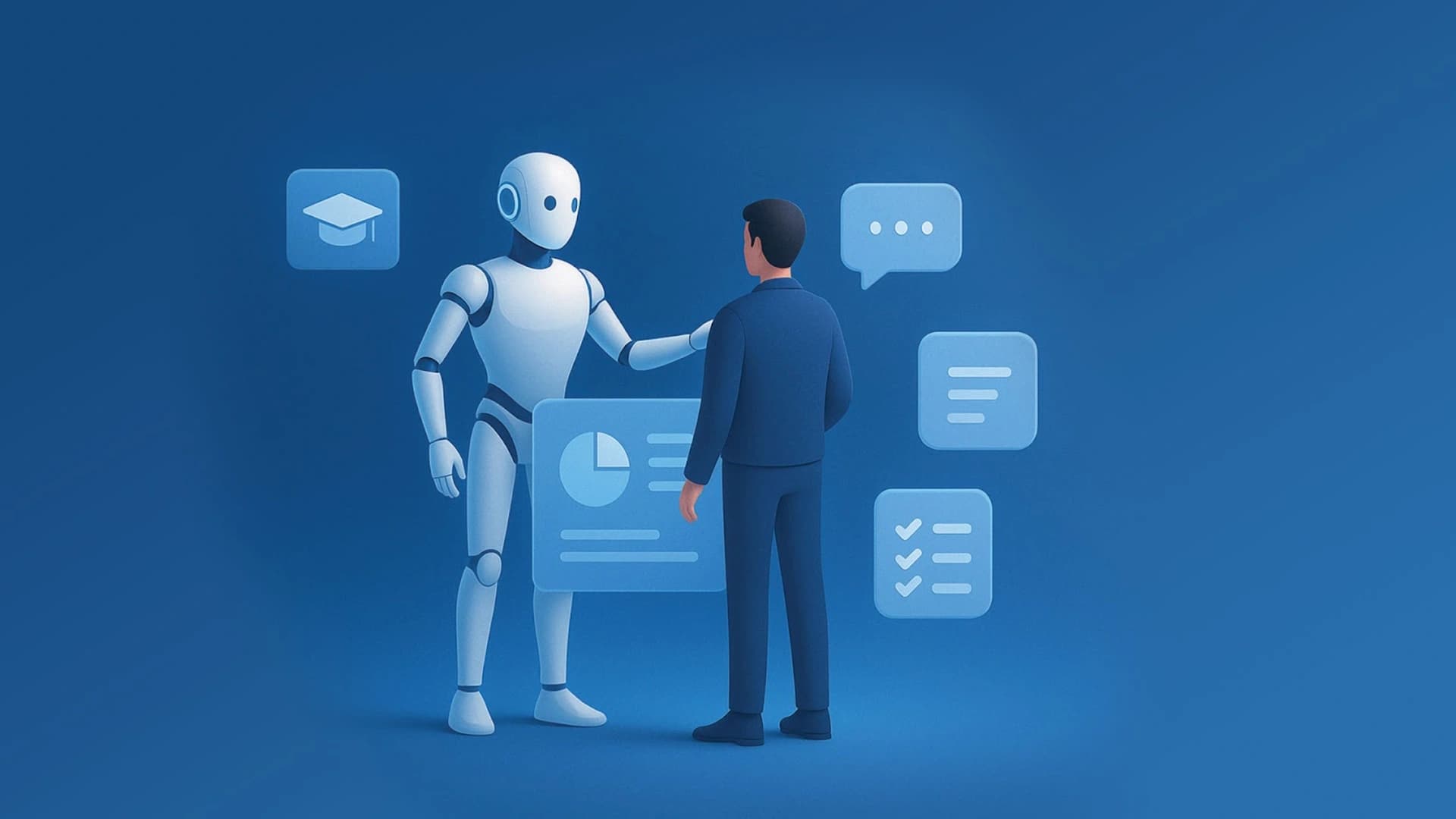
We see agents as a major part of the future of healthcare AI. Our roadmap includes agentic systems that can assist with coordination, documentation, oversight, and user support across the platform.
AI agents designed to support task execution and contextual assistance
Workflow-aware orchestration across clinical and administrative functions
Human-in-the-loop control for review, approval, and oversight
Progressive expansion of agent capability as validation and safety mature

Computer Vision & Risk Awareness
We are actively progressing work in computer vision to help detect risks, surface alerts, and provide earlier awareness within relevant healthcare workflows.
Pattern detection from visual and image-based inputs
Risk flagging designed to support earlier awareness and action
Integration into broader clinical intelligence workflows
Use of multimodal processing to strengthen contextual understanding

Real-Time Mobile Experience
Our roadmap includes a connected mobile application that extends the intelligence layer beyond the desktop platform.
Real-time access to current health metrics and care-related information
Direct connection to Clinical Intelligence and digital health core systems
Mobile-first visibility for timely engagement and decision support
A more responsive experience across modern healthcare settings
Virtual Support for Individuals
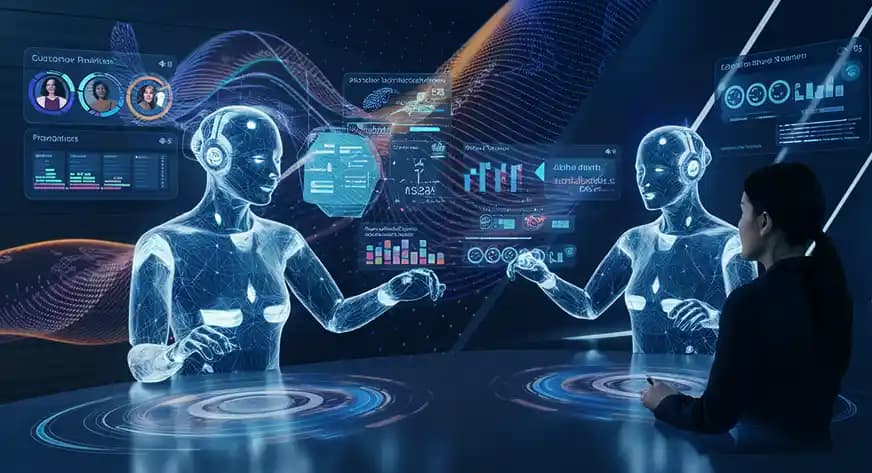
We plan to introduce virtual assistance capabilities designed to support aged individuals with guided responses to health and care-related questions.
Accessible conversational support for medical and care-related queries
Designed to complement, not replace, clinician and provider communication
Aiming to improve clarity, support engagement, and reduce uncertainty
Focused on a more informed and flourishing future for ageing populations

Cutting-Edge AI Capability Development
Our roadmap continues to explore advanced AI methods that can strengthen the next generation of healthcare software.
Large language models for contextual reasoning and intelligent assistance
Retrieval-augmented generation for grounded, relevant outputs
Multimodal AI for text, document, image, and signal interpretation
Advanced machine learning approaches to drive future clinical intelligence